

1. Explore Marrakech’s Historic Attractions
Marrakech is famous for its historic Medina, traditional architecture and monuments that reflect centuries of Moroccan history. The Medina is recognized as a UNESCO World Heritage Site and remains one of the most rewarding areas to explore on foot.
According to UNESCO’s official description of the Medina of Marrakesh, the city was founded by the Almoravids in 1070–1072 and developed into an important political, economic and cultural center.
1. Discover Jemaa el-Fna Square
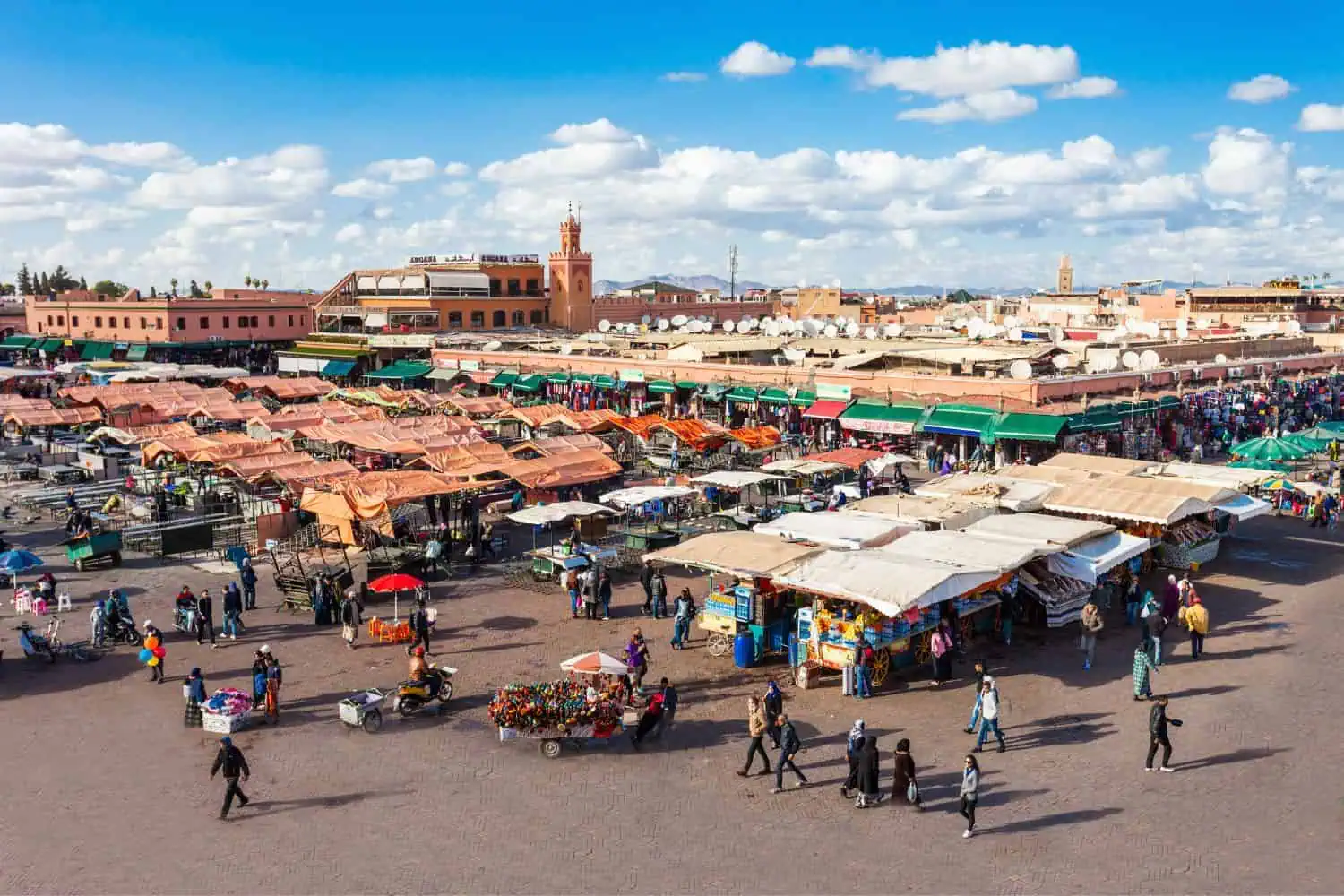
Jemaa el-Fna is one of the most recognizable places in Marrakech and a natural starting point for exploring the city. so Jemaa el-Fna is one of the things to do in Marrakech Located near the entrance to the historic Medina, the square changes character throughout the day.
During daylight hours, visitors can observe the surrounding cafés, market activity and street performers. As evening approaches, food stalls appear, musicians perform and the square becomes a lively meeting place for locals and travelers.
For the best experience, visit at different times of day if your schedule allows. You can watch the activity from the square itself or enjoy a mint tea on a nearby rooftop terrace.
Travel tip: Agree on prices before ordering food or accepting a paid service, and ask permission before photographing performers or other people.
2. Get Lost in the Marrakech Medina
The Medina is the historic heart of Marrakech, with narrow streets, traditional houses, small workshops, markets and hidden courtyards. Exploring it is one of the best things to do in Marrakech because it reveals the city’s everyday rhythm beyond its major monuments.
You may discover traditional bakeries, neighborhood mosques, artisan workshops and beautiful riad entrances as you walk through its different quarters.
Navigation can be challenging for first-time visitors because many streets are narrow and interconnected. A local guide can help you understand the area’s history and discover remarkable places that you might otherwise pass without noticing.
For a guided introduction to the historic center, explore the Private Marrakech City Tour Guide offered by Asara Morocco Tours.
3. Visit Bahia Palace
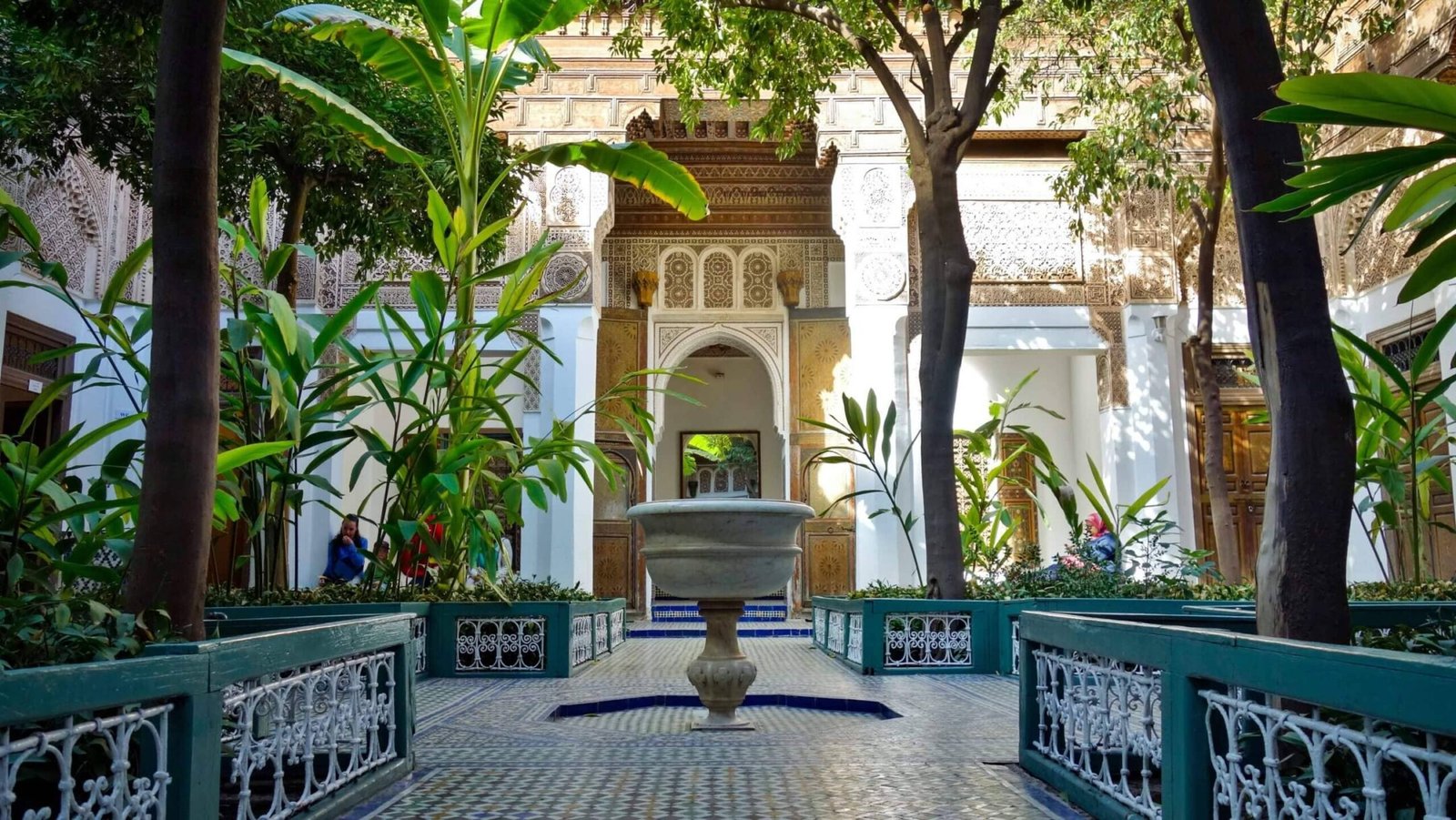
Bahia Palace is one of Marrakech’s most celebrated historic buildings. Developed during the late 19th century, the palace is known for its decorative courtyards, carved cedarwood, painted ceilings, intricate stucco, and colorful zellige tilework.
Walking through its rooms and gardens provides a closer look at traditional Moroccan craftsmanship and the architectural styles associated with the city’s historic elite.
Allow enough time to appreciate the decorative details rather than rushing through the complex. If architecture and history interest you, Bahia Palace is a particularly rewarding stop.
4. Explore the Ruins of El Badi Palace
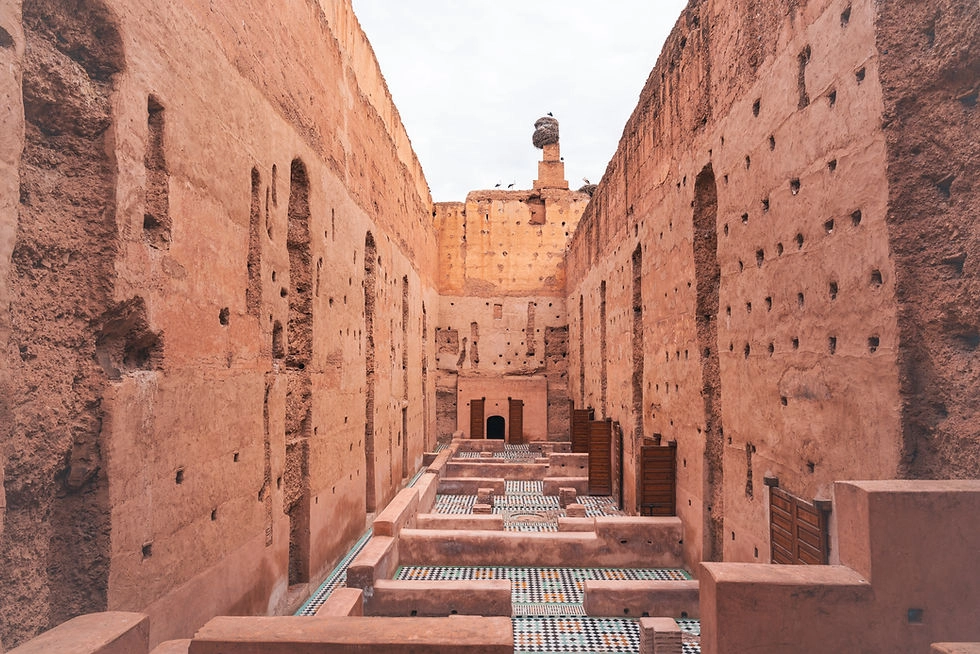
El Badi Palace offers a different perspective on Marrakech’s history. Instead of richly decorated interiors, visitors encounter monumental walls, open courtyards, sunken areas and the remains of an ambitious royal complex.
Commissioned by Sultan Ahmad al-Mansur in the late 16th century, the palace was once associated with royal prestige and elaborate architecture. Today, its scale and ruins make it an atmospheric place to explore.
Bring water and sun protection when visiting during warmer weather, as many areas are exposed to the sun.
5. Admire the Koutoubia Mosque and Gardens
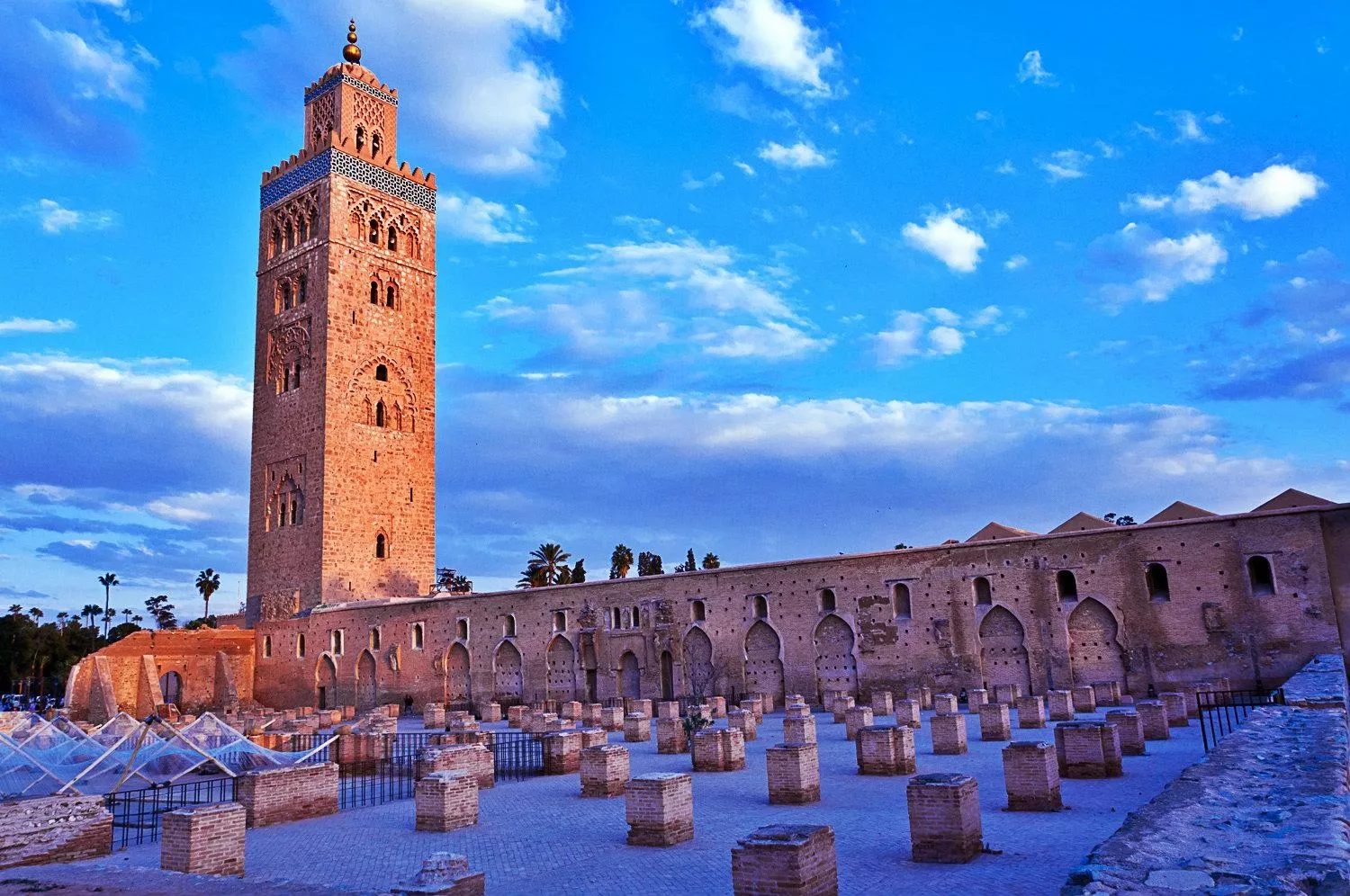
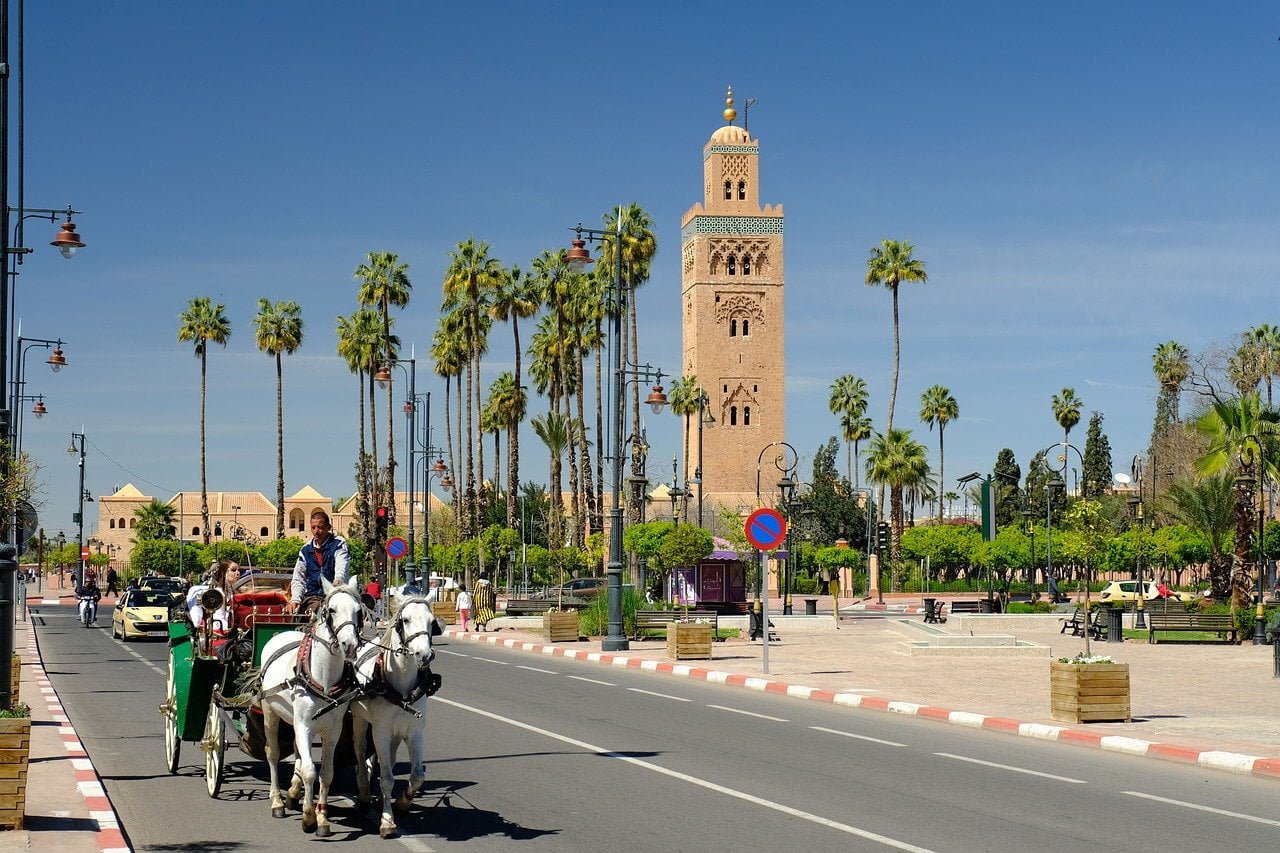
The Koutoubia Mosque is one of Marrakech’s most recognizable landmarks. Its historic minaret stands above the surrounding cityscape and serves as an important visual reference when exploring the Medina.
The mosque dates to the Almohad period and is an important example of Moroccan Islamic architecture. Visitors can admire the exterior and surrounding gardens while learning about its historical significance.
Non-Muslim visitors should plan to appreciate the mosque from outside, as access to working mosques in Morocco is generally restricted. The surrounding area is particularly pleasant for a short walk or a photograph of the minaret.
6. Visit the Saadian Tombs
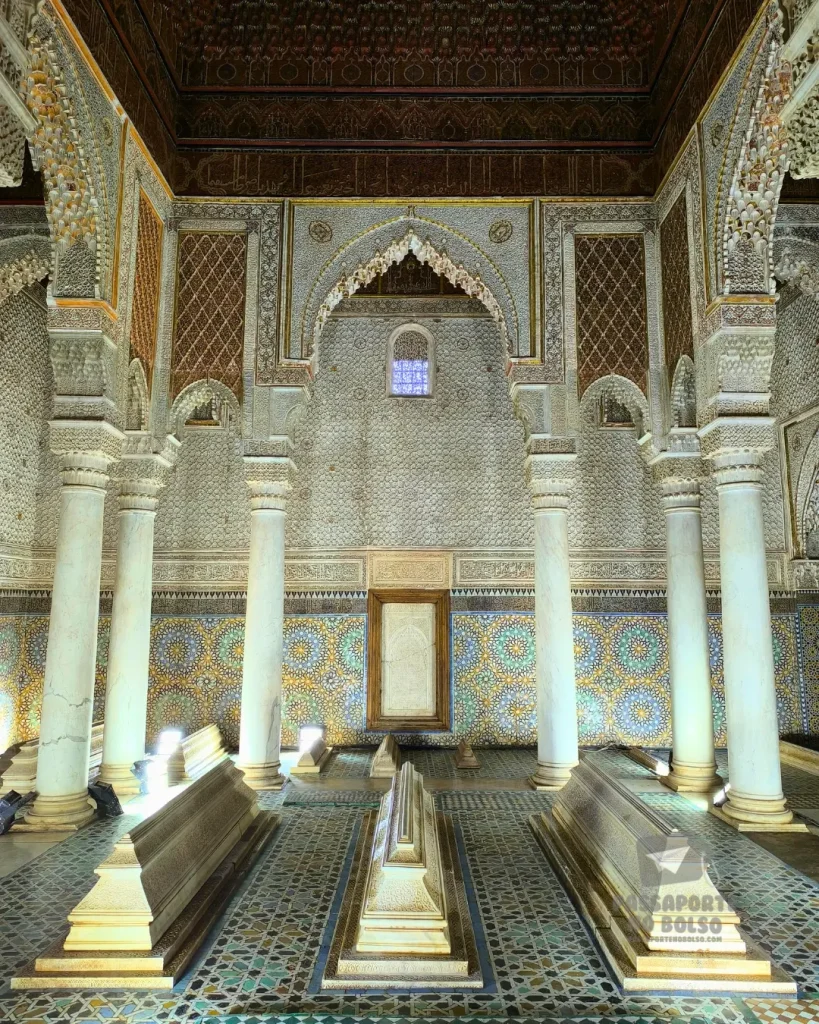
The Saadian Tombs are an important historical site near the Kasbah Mosque. The complex is known for its decorative tilework, carved plaster and carefully designed chambers associated with the Saadian dynasty.
The tombs offer an opportunity to understand another chapter of Marrakech’s royal history while appreciating the detailed craftsmanship of traditional Moroccan architecture.
Because the complex is relatively compact, consider combining your visit with nearby attractions such as El Badi Palace or Bahia Palace.
7. Discover Ben Youssef Madrasa
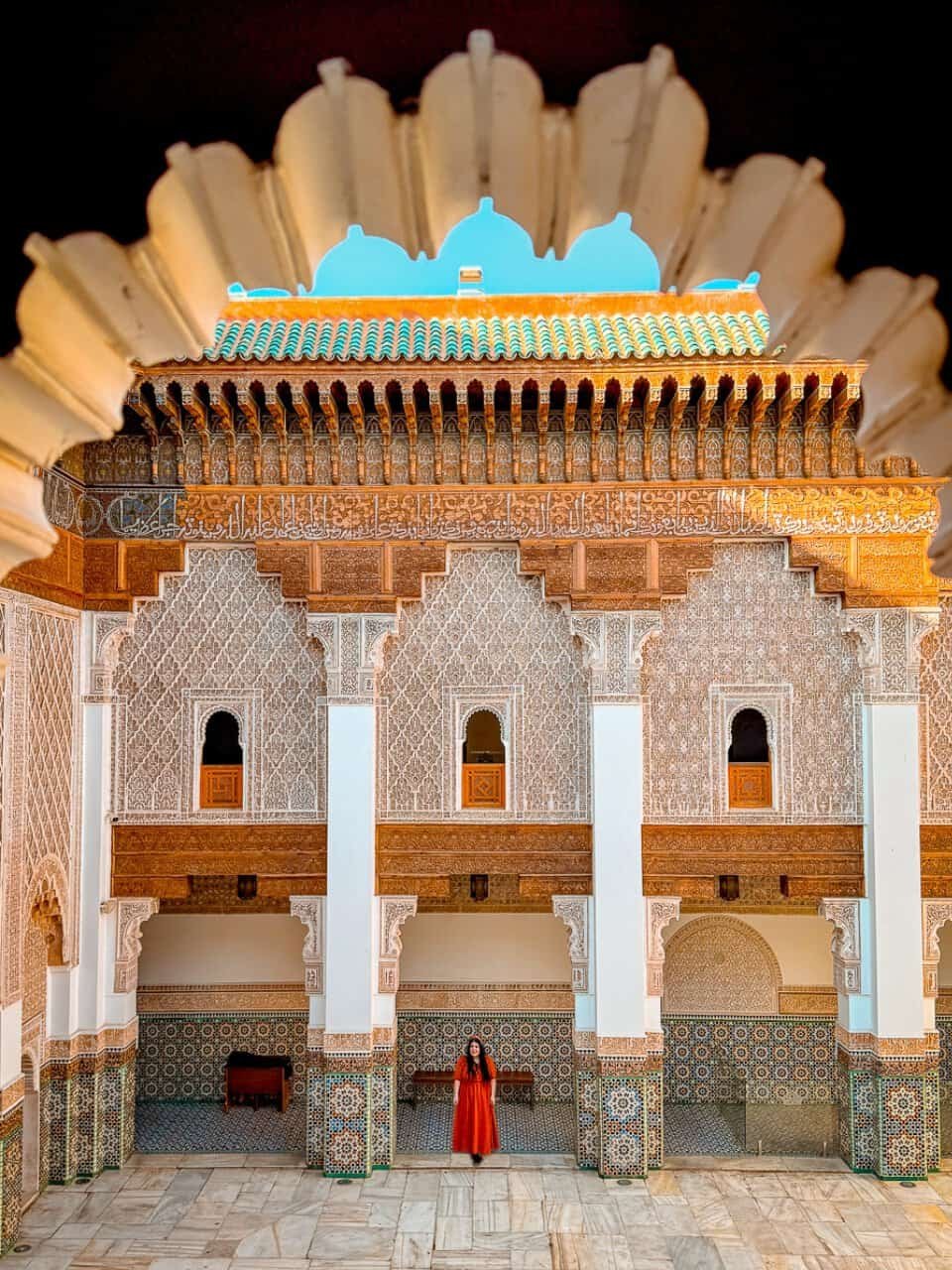
Ben Youssef Madrasa is one of Marrakech’s most impressive examples of traditional Islamic educational architecture. Its courtyard, carved cedarwood, decorative stucco, geometric patterns and zellige tilework make it a highlight for visitors interested in history and design.
The building provides insight into the importance of religious education in Morocco’s historic cities. Take time to observe the contrast between the relatively simple student rooms and the elaborate decorative details in shared spaces.
Check current opening arrangements and ticket information before visiting, as access and admission details can change.
2. Discover Gardens, Culture and Local Life
Beyond its busy markets and historic monuments, Marrakech offers peaceful gardens, museums, artisan traditions and neighborhoods that reveal a different side of the city.
8. Wander Through Jardin Majorelle
Jardin Majorelle is one of Marrakech’s best-known gardens. Famous for its vivid blue architectural details, exotic plants, shaded paths and tranquil atmosphere, it offers a welcome contrast to the busy Medina.
The garden was created by French painter Jacques Majorelle and later restored by Yves Saint Laurent and Pierre Bergé. Today, its combination of botanical collections, architecture and carefully composed colors makes it a favorite for photography and peaceful walks.
Tickets and visitor arrangements can be in high demand. Check the official Jardin Majorelle website for current ticketing information before your visit.
9. Relax at Le Jardin Secret
Le Jardin Secret is a restored historic garden in the heart of the Medina. Its greenery, water features and traditional architectural setting create a quiet retreat from the surrounding streets.
It is an excellent choice for travelers who want to slow down between sightseeing stops, take photographs or enjoy a peaceful break without leaving the historic center.
Consider visiting during the morning or later afternoon when the light is softer and the garden may feel more comfortable for walking.
10. Visit the Menara Gardens
The Menara Gardens offer a more open landscape on the outskirts of central Marrakech. The large water basin and pavilion are set against a backdrop that can provide beautiful views toward the Atlas Mountains on clear days.
The gardens are a good option for a relaxed walk and a glimpse of Marrakech’s historic relationship with water management and cultivated landscapes.
They are especially appealing to travelers looking for outdoor space away from the narrow streets of the Medina.
11. Explore the Marrakech Museum and Photography Collections
Museums provide another way to understand the city’s history, artistic traditions and changing identity. Depending on current exhibitions and opening arrangements, you can explore collections relating to Moroccan art, architecture, photography and local life.
The Maison de la Photographie de Marrakech is particularly interesting for visitors who want to see historical images of Morocco and gain a different perspective on its people, landscapes and traditions.
Check individual museum websites or official visitor information for current exhibitions, opening hours and admission fees.
12. Explore the Mellah and Historic Jewish Quarter
The Mellah, Marrakech’s historic Jewish quarter, provides insight into the city’s multicultural past. Its streets, historic buildings and heritage sites reflect the long presence of Jewish communities in Morocco.
Visitors may explore the neighborhood and, where open to the public, sites such as the Lazama Synagogue. Access arrangements can vary, so check locally before planning a visit.
A knowledgeable guide can help explain the historical context and the role that different communities played in Marrakech’s commercial and cultural life.
13. Discover Moroccan Artisan Workshops
Marrakech is an excellent place to discover traditional craftsmanship. Depending on the workshop and the neighborhood, you may see artisans working with leather, wood, metal, textiles, ceramics or decorative tile patterns.
Observing these skills offers a more meaningful shopping experience because you can learn how traditional objects are produced and why particular designs matter.
If you are interested in buying handmade products, ask about materials, production methods and whether an item was made locally. Always request permission before photographing artisans at work.
3. Experience Moroccan Food and Shopping
Food and shopping are essential parts of the Marrakech experience. The city offers everything from traditional market stalls and neighborhood cafés to elegant riad restaurants and rooftop dining.
14. Explore the Traditional Marrakech Souks
The souks of Marrakech are a network of market streets where visitors can browse handmade products, textiles, leather goods, lanterns, spices, ceramics and traditional clothing.
Some areas are associated with particular crafts, although shops and products often overlap. Exploring the markets is as much about observing the city’s commercial traditions as it is about buying souvenirs.
If you plan to shop, compare prices at several stalls, ask questions and negotiate politely where bargaining is customary. There is no obligation to buy simply because you enter a shop.
Travelers who prefer a more organized introduction can include souk exploration in a private Marrakech city tour with Asara Morocco Tours.
15. Taste Traditional Moroccan Dishes
Marrakech is an excellent destination for discovering Moroccan cuisine. Popular dishes include tagine, couscous, harira soup, pastilla, Moroccan salads and tanjia, a slow-cooked specialty associated with Marrakech.
Recipes and serving styles vary between restaurants and households, so try different dishes rather than expecting every meal to taste the same.
For a satisfying introduction to local food, choose a restaurant that explains its dishes and uses fresh ingredients. If you have dietary restrictions or allergies, communicate them clearly before ordering.
16. Sample Street Food at Jemaa el-Fna
As evening approaches, food stalls become a prominent part of the atmosphere around Jemaa el-Fna. Depending on the stall, you may find grilled meats, soups, bread, traditional snacks and other Moroccan specialties.
Choose vendors with good food turnover, observe basic hygiene and make sure prices are clear before ordering. Travelers with sensitive stomachs should be especially careful about food handling and drinking water.
For a broader overview of Marrakech’s attractions and experiences, consult the Moroccan National Tourist Office’s Marrakech travel guide.
17. Enjoy Moroccan Mint Tea on a Rooftop
Taking a break on a rooftop terrace is one of the simplest and most enjoyable things to do in Marrakech. Many cafés around the Medina offer views of rooftops, nearby minarets and the changing atmosphere of the old city.
Order traditional Moroccan mint tea, relax and observe the city from above. Around sunset, the changing light can create an especially memorable setting for photographs.
If you want a view of Jemaa el-Fna, ask about the terrace before choosing your café, as not every rooftop overlooks the square.
18. Take a Moroccan Cooking Class
A cooking class is a rewarding activity for travelers who want to learn more about Moroccan food and everyday culinary traditions.
Depending on the experience, a class may include visiting a local market, learning about spices, preparing a tagine or Moroccan salad and sharing the finished meal.
Ask whether the class includes ingredients, transport, a market visit and lunch or dinner. If you have dietary restrictions, confirm that the menu can accommodate them before booking.
4. Enjoy Unique Things to Do in Marrakech
Some of Marrakech’s most memorable experiences involve slowing down, trying a traditional activity or discovering a different perspective on the city.
19. Experience a Traditional Moroccan Hammam
A hammam is a traditional bathing and cleansing experience that plays an important role in Moroccan wellness culture. Depending on the establishment, the experience may include steam, black soap, exfoliation and optional massage treatments.
Options range from neighborhood hammams to private spa facilities in riads and hotels. The level of privacy, treatment style and price can vary considerably.
Ask what is included, what clothing is expected and whether treatments are suitable for you before making a reservation.
20. Stay in a Traditional Moroccan Riad
A riad is a traditional house organized around an interior courtyard or garden. Many historic riads in Marrakech have been adapted into guesthouses, offering visitors an intimate alternative to larger hotels.
Depending on the property, you may find decorative plasterwork, carved wooden doors, zellige tiles, fountains and rooftop terraces.
Staying in a riad can also make it easier to explore the Medina on foot. Before booking, check the property’s location, luggage access, room facilities and whether vehicles can reach the nearest entrance.
21. Enjoy a Sunset Carriage Ride or a Walk Along the Ramparts
A walk along selected sections of Marrakech’s historic walls offers a different view of the city and its architecture. The ramparts and gates reflect the importance of the city’s historic defenses and provide a contrast to the busy central markets.
Horse-drawn carriage rides are another option for travelers who want a more relaxed way to see selected areas outside the narrow Medina streets.
If choosing a carriage ride, agree on the route, duration and price beforehand, and consider the welfare and condition of the animals.
22. Take a Hot-Air Balloon Flight at Sunrise
For a memorable early-morning adventure, consider a hot-air balloon flight outside Marrakech. Depending on weather and the launch location, flights may offer views of agricultural land, palm groves, surrounding countryside and the Atlas Mountains in the distance.
Flights are weather-dependent and may be postponed or canceled for safety reasons. Confirm the meeting time, transport arrangements, duration, insurance and cancellation policy before booking.
This experience is especially suitable for travelers looking for a special occasion activity or a different perspective on the landscapes around the city.
5. Take a Day Trip from Marrakech
One of Marrakech’s greatest advantages is its location. With additional time, you can leave the city behind and discover mountain valleys, waterfalls, coastal towns and desert landscapes.
23. Discover the Ourika Valley in the Atlas Mountains
The Ourika Valley is a popular escape from Marrakech, offering mountain scenery, riverside stops and villages in the foothills of the High Atlas.
Depending on the route and season, visitors may enjoy short walks, local food and views of the surrounding mountains. If you want to explore beyond the city, plan your trip according to the weather and the amount of walking you prefer.
For a tailored outing, explore the Ourika Valley day trip from Marrakech.
24. Visit the Ouzoud Waterfalls
The Ouzoud Waterfalls are among Morocco’s best-known natural attractions. Located outside Marrakech, the falls offer dramatic cascades, walking paths and viewpoints surrounded by a greener landscape than the city.
A day trip can include time to walk along the trails, admire the waterfalls and enjoy the surrounding scenery. The journey takes several hours each way, so allow a full day rather than trying to combine it with extensive sightseeing in Marrakech.
Check seasonal conditions and wear comfortable footwear, particularly if you plan to explore the paths close to the water.
See the Ouzoud Waterfalls day trip from Marrakech for a dedicated excursion option.
25. Explore Essaouira on the Atlantic Coast
Essaouira offers a completely different atmosphere from Marrakech. This coastal city is known for its historic medina, fishing port, sea views, ramparts and relaxed pace.
Visitors can explore the old streets, watch activity around the harbor, enjoy seafood and walk along sections of the fortified waterfront.
A day trip is possible, although it involves a substantial amount of driving. If you prefer to explore the city at a slower pace, consider an overnight stay.
Plan your coastal escape with the Essaouira day tour from Marrakech.
Can You Visit the Sahara Desert from Marrakech?
Yes, but reaching the Sahara near Merzouga is a much longer journey than taking a day trip to the Atlas Mountains or Essaouira. Travelers should generally allow several days for a rewarding Sahara excursion, especially if they want to enjoy the dunes and spend a night in a desert camp.
If the Sahara is part of your Morocco itinerary, explore Morocco desert tours with Asara Morocco Tours and compare itineraries before deciding how to organize your time.
How to Spend 1, 2 or 3 Days in Marrakech
The ideal length of your stay depends on your interests and whether you want to explore only the city or add an excursion into the surrounding region.
One Day in Marrakech
If you have just one day, focus on the historic Medina and its most important attractions. A possible itinerary includes:
- Morning: Visit Bahia Palace or Ben Youssef Madrasa and explore the surrounding historic streets.
- Lunch: Enjoy a Moroccan meal in a traditional restaurant or courtyard.
- Afternoon: Explore the souks and admire the craftsmanship of local artisans.
- Evening: Visit Jemaa el-Fna and enjoy the atmosphere from a nearby rooftop terrace.
With limited time, consider a guided city tour to organize the main stops efficiently.
Two Days in Marrakech
Two days allow you to combine the historic center with gardens, museums and additional cultural experiences.
- Day 1: Explore the Medina, Bahia Palace, Ben Youssef Madrasa, the souks and Jemaa el-Fna.
- Day 2: Visit Jardin Majorelle, discover another garden or museum, enjoy a traditional hammam or take a Moroccan cooking class.
Book timed-entry attractions in advance where necessary and allow time for meals and breaks.
Three Days in Marrakech
Three days provide a more relaxed balance between city sightseeing and exploring the surrounding region.
- Day 1: Discover the historic Medina, major monuments and traditional markets.
- Day 2: Visit Jardin Majorelle, explore cultural attractions and enjoy a hammam or cooking class.
- Day 3: Take a day trip to the Ourika Valley, Ouzoud Waterfalls or Essaouira, depending on your interests.
If you would rather spend your third day in the Sahara, plan a longer overall stay in Morocco. Merzouga is not a practical day trip from Marrakech.
Best Time to Visit Marrakech
Marrakech can be visited throughout the year, but the weather affects how comfortable it is to explore the city on foot and how you should organize your activities.
Spring: March to May
Spring is often a pleasant period for sightseeing, gardens and outdoor dining. Conditions can vary, so bring comfortable walking clothes and protection from the sun.
Summer: June to August
Summer can be extremely hot, especially around midday. Start sightseeing early, take breaks in shaded areas and schedule indoor attractions or relaxation during the hottest hours.
Autumn: September to November
Autumn can offer comfortable conditions for exploring the Medina and visiting attractions outside the city. It is also a good period for travelers who want to combine Marrakech with the mountains or desert.
Winter: December to February
Winter days can be pleasant for sightseeing, but evenings and mornings may be cold. Pack layers and check accommodation heating arrangements if you are staying in a traditional riad.
Regardless of the season, check current weather forecasts, opening hours and ticket requirements before your visit.
Practical Tips for Visiting Marrakech
Wear Comfortable Clothing and Shoes
Choose breathable clothing and comfortable shoes for walking through uneven streets and busy markets. Modest clothing is a practical choice when visiting historic neighborhoods and religious surroundings. Bring sun protection during warmer months.
Carry Some Moroccan Dirhams
Although card payments are accepted by many hotels and larger businesses, smaller shops, cafés and some market vendors may prefer cash. Keep smaller notes available for everyday purchases.
Agree on Prices Beforehand
Before using a paid service, ordering food from an unfamiliar stall or taking a carriage ride, confirm the price and what is included. This helps prevent misunderstandings.
Respect Local Customs
Ask permission before photographing people, respect private property and follow local guidance around religious sites. When visiting during Ramadan or local celebrations, be mindful of changes to meal times and opening hours.
Check Attraction Opening Hours
Opening times, ticket prices and entry conditions can change. Verify information with official websites where available, especially for popular gardens and historic monuments.
Allow Enough Time Between Activities
Marrakech can be busy, and walking between attractions may take longer than expected. Avoid scheduling every activity back-to-back. A relaxed itinerary leaves room for a meal, a market discovery or an unexpected stop.
Explore Marrakech with a Private Local Guide
Exploring Marrakech independently can be rewarding, but a private local guide can make the experience more informative and easier to organize, especially if you have limited time or are visiting for the first time.
With Asara Morocco Tours, travelers can arrange a private Marrakech city tour designed around their interests, preferred pace and available time. A guided visit can help you understand the historic Medina, explore traditional souks, discover architectural landmarks and learn more about Moroccan culture.
Depending on your preferences and the agreed itinerary, you may focus on history and architecture, spend more time shopping, discover local food or combine major attractions with quieter corners of the city.
A private tour can also help you decide how to organize the rest of your stay, including which gardens to visit independently and whether a day trip beyond Marrakech fits your schedule.
What to Consider Before Booking
- Tell the tour operator how much time you have available.
- Share your main interests, such as history, architecture, food, shopping or photography.
- Confirm the meeting point, pickup arrangements and tour duration.
- Check whether entrance tickets, meals and transport are included.
- Ask about accessibility, walking distances and any special requirements.
To discuss your plans, visit the Private Marrakech City Tour Guide page and contact Asara Morocco Tours about arranging a personalized city experience.
Ready to discover the Red City? Plan your visit with Asara Morocco Tours and explore Marrakech’s historic streets, cultural landmarks and unforgettable local experiences.
Discover the Best Things to Do in Marrakech
From the lively atmosphere of Jemaa el-Fna and the winding streets of the Medina to the peaceful gardens, traditional cuisine and nearby mountain landscapes, Marrakech offers an exceptional range of experiences.
The best itinerary depends on your interests and how much time you have. Focus on the historic center for a short stay, add gardens and cultural experiences over two or three days, or venture beyond the city to discover another side of Morocco.
With thoughtful planning and local insight from Asara Morocco Tours, you can experience Marrakech’s most famous attractions while leaving time to appreciate its culture, craftsmanship and everyday life.
Start planning your visit: Discover our private Marrakech city tour and find a guided experience that suits your travel plans.